

Ensuring the efficiency and security for an boiler setup remains essential to any facility manager or property administrator. Routine boiler services serve a important role for guaranteeing that boilers function at maximum performance, offering reliable heat and minimizing energy expenses. With complexity of modern boiler systems plus various needs of apartment buildings and manufacturing plants, recognizing the importance in routine upkeep cannot be overstated.
From recognizing specific indicators that indicate a damaged heat transfer unit and diagnosing problems such as loud noises or changing water pressure, a thorough annual service enables service personnel to fix possible issues prior to they escalate. Moreover, keeping your boiler system results to better energy management, reducing the likelihood of costly repairs while enhancing safety measures of your building. Emphasizing preventive measures through expert evaluations and maintenance not only extends the longevity of the boiler but also guarantees compliance with safety standards, safeguarding the safety of all occupants.
Understanding Boiler Efficiency and Functionality
Boiler efficiency is a vital aspect in the total power performance of thermal systems, especially in business environments. It is measured by how well a boiler transforms energy into usable thermal energy, and understanding this effectiveness is crucial to reducing running costs. One of the initial actions in evaluating boiler effectiveness is determining its heating efficiency, which requires calculations that take into account factors like fuel input and thermal output. Advanced controls and reset curves can additionally optimize fuel use, enabling for improved oversight of power usage during changing load requirements.
Monitoring the condition of parts within the boiler remains crucial for maintaining effectiveness. This includes routine inspections for frequent problems like hard water accumulation, which can significantly impede energy effectiveness by forming buildup that obstruct heat transfer. A clean system leads to maximum efficiency, thus reducing energy waste and operating costs. Understanding the specific indicators that signal problems, such as a damaged heat exchanger or issues with pressure dynamics, can prevent inefficient operation and extend the lifespan of the boiler.
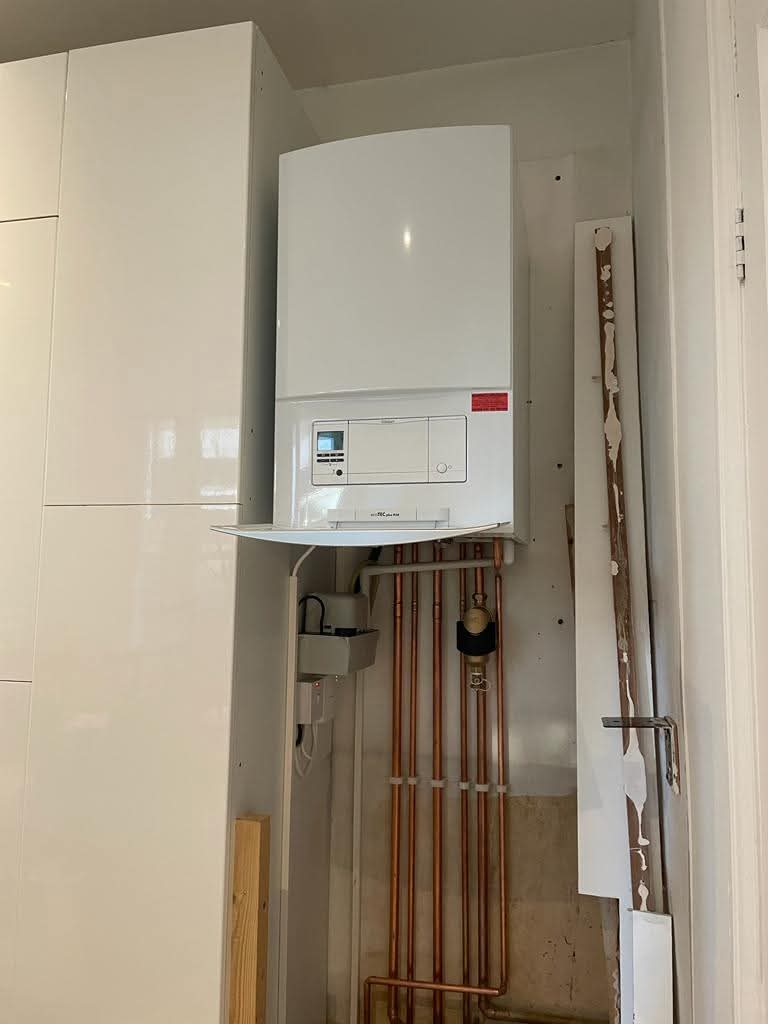
When evaluating heating system performance, it is also important to comprehend the differences between high-efficiency and standard models. Condensing heating units operate at higher levels of efficiency by collecting more thermal energy from the burning process, while non-condensing types may waste more power through exhaust. Selecting the right boiler for specific heating requirements and making sure it is adequately maintained annually can have a substantial effect on total efficacy, safety compliance, and financial effectiveness in business thermal systems.
Main Clues of Boiler Issues
Spotting the early signs of boiler issues is essential for ensuring efficiency and security in any heating system. One major clue is a shift in the boiler fire color. A yellow or orange flame, instead of the normal blue, can suggest incomplete combustion, which not only lowers efficiency but may also lead to carbon monoxide release. Consistently checking the flame hue can help in spotting potential problems in advance.
Another typical problem is unusual noise from the boiler, which may manifest as clanging, whistling, or gurgling. These sounds can result from multiple issues, such as air trapped in the system, sediment buildup, or malfunctioning components. Tackling these sounds quickly through troubleshooting can avoid further issues and lengthen the life of the boiler system.
Water pressure fluctuations are also a clear sign that something is amiss. A boiler that continuously drops water pressure could be suggesting a leak, a failing relief valve, or other major problems. Maintaining an eye on the pressure gauge and ensuring it remains within the recommended levels is essential for the reliable operation of the boiler. Regular service checks can help identify these issues before they worsen into more serious problems.
Maintenance and Security Procedures
Consistent boiler maintenance is crucial for securing the durability and efficiency of your heating system. Technicians conduct yearly boiler security inspections to check for critical components such as leaks, corrosion, and the integrity of the heat exchanger. Detecting issues early can prevent costly fixes and enhance safety, notably concerning carbon monoxide emissions. This proactive strategy not only helps in maintaining ideal performance but also guarantees compliance with safety regulations.
Another key aspect of boiler care is monitoring water chemistry and treatment. Poor water quality can lead to hard water scale buildup, which can greatly hinder heating efficiency. Maintaining appropriate boiler water chemistry prevents internal corrosion and helps in preserving the condition of vital components, extending the operational lifespan of the boiler. Frequent chemical testing should be part of any thorough maintenance plan.
Finally, understanding the mechanics of the boiler system, including features like low water cut-off safety switches, is essential for safe operation. These safety mechanisms are built to protect boilers from catastrophic failures. Moreover, being pop over to this web-site of how to diagnose issues such as a noisy boiler or a failing thermocouple can lead to timely repairs and avoid unnecessary downtime. Frequent assessment and maintenance practices contribute not only to safety but also to the overall efficiency and affordability of the heating system.